
Reviewed · LAVENDER & FLOWER FIELD TOURS
Hokkaido Lavender farm & Furano Flower Tour from Sapporo
The best reason to take this day trip is simple: it gets you from Sapporo to Biei and Furano’s open countryside without the cost or trouble of renting a car. You move from the turquoise Blue Pond to rolling farm fields, then walk among flowers at Shikisai-no-Oka and a seasonal final stop.
In This Article
- Key points to know before you book
- Why this Sapporo day trip works
- Rolling through Biei’s Patchwork Road
- The turquoise water of Blue Pond
- Walking the flower hills at Shikisai-no-Oka
- Lunch in Furano and the meal choice
- Farm Tomita from September 1 through September 30
- Ningle Terrace from October 1 through October 15
- What the guide adds to a long bus day
- The schedule, meeting point, and return to Sapporo
- Is the $69 price good value?
- Who should book this Hokkaido tour
- Should you book it?
- FAQ
- What attractions are included on this Hokkaido day tour?
- When does Farm Tomita appear on the route?
- What is Ningle Terrace?
- Is lunch included?
- What languages are available on the tour?
- Are infants free?
I especially like the mix of famous sights and rural scenery, and the fact that the guide handles the long driving day. I also like the language support: guides may speak Chinese, English, and Japanese, and Oscar, who introduced himself as Aska or Omo, has been praised for clear explanations and a good sense of humor. The main thing to consider is the schedule. This is a full day on a bus, and traffic can affect your return to Sapporo, so do not book a flight or fixed dinner too close to the finish.
Key points to know before you book
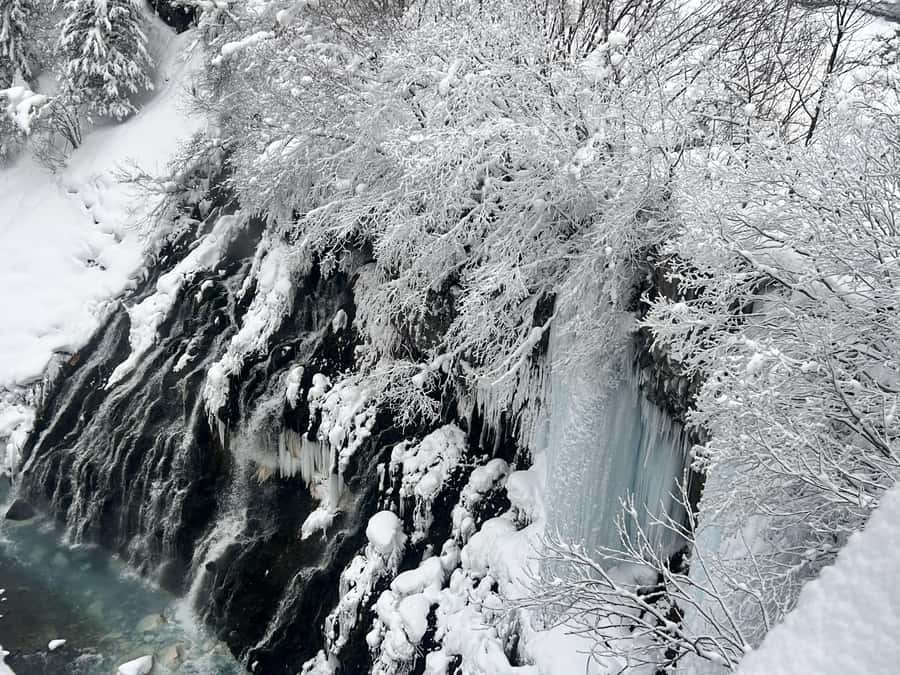
- Blue Pond gives the day a dramatic start: Its turquoise water and reflected trees look different with changing light.
- Shikisai-no-Oka is the main flower stop: Hillside fields form broad bands of seasonal color, including sunflowers and salvia.
- Farm Tomita is seasonal: It is included from September 1 through September 30.
- Ningle Terrace replaces Farm Tomita in October: From October 1 through October 15, you visit woodland cottages and craft shops instead.
- The $69 price covers the bus, guide, and Shikisai-no-Oka admission: Lunch depends on the package you select.
- A multilingual guide is a real advantage: English, Chinese, and Japanese support helps at several stops and during the long day.
Why this Sapporo day trip works
Hokkaido is large, and the sights around Furano and Biei are spread across the countryside. Public transport can get you there, but arranging several stops in one day takes planning. This tour gives you a set route, a driver, a local guide, and a return to your original meeting point.
At $69 per person, the value comes mainly from transportation. You are not paying only to enter a flower garden. You are paying to avoid a rental car, navigation, parking decisions, and the problem of fitting Blue Pond, Biei, Furano, and a flower farm into one day.
The experience suits you best if you are staying in Sapporo and want a broad taste of central Hokkaido. It is also useful if you cannot rent a car. One person rated it as a good way to see more of Hokkaido for exactly that reason.
The tradeoff is time. You will spend a good part of the day on the coach, and your freedom at each stop is limited by the group schedule. If you want to linger over one garden or stop at every roadside view, drive yourself instead. If you want several major sights without the work, the bus is the sensible choice.
If you're still narrowing it down, here are other tours in Hokkaido we've reviewed.


Rolling through Biei’s Patchwork Road
The drive through Biei is one of the quieter pleasures of the day. The famous Patchwork Road passes over rounded farmland divided into blocks of different crops. From the bus, the fields can look like pieces of a giant quilt spread across the hills.
This is not a single attraction with a gate and a ticket. It is a moving view, so your seat matters less than your willingness to watch the countryside between stops. Have your camera ready, but also look up from it. The appeal is the broad view: gentle slopes, cultivated fields, and changing colors rather than one dramatic monument.
The countryside gives the tour a useful rhythm. After leaving Sapporo, you are not rushed straight from one photo stop to another. The road itself shows you why Biei is famous. Still, views from a moving bus are brief, and weather can change how much you see. Treat this section as scenery along the route, not as a formal sightseeing stop with a long visit.
The turquoise water of Blue Pond
A stop at Shirogane Blue Pond, also called Aoiike, brings a different kind of scenery. The water has a striking turquoise tone, with pale tree trunks rising from it and reflections changing as the light shifts.
The color is the reason people come, but the setting is best enjoyed at a slower pace. Walk around the viewing area, check the water from more than one angle, and give yourself time to notice how the surface changes. You may see a stronger blue in one part of the pond and a softer tone somewhere else.
Blue Pond is a strong photo stop, but it is not a place filled with activities. Your visit is about looking, walking, and taking pictures. If the weather is dull, the color may not look as dramatic as it does in clear photographs. That is a normal limitation of any outdoor stop, not a flaw in the route.
The stop also adds contrast to the flower farms. The morning or middle part of your day is not all gardens and shops. Blue Pond gives you water, trees, and a cool, unusual color before the more cheerful farm scenery.
Walking the flower hills at Shikisai-no-Oka
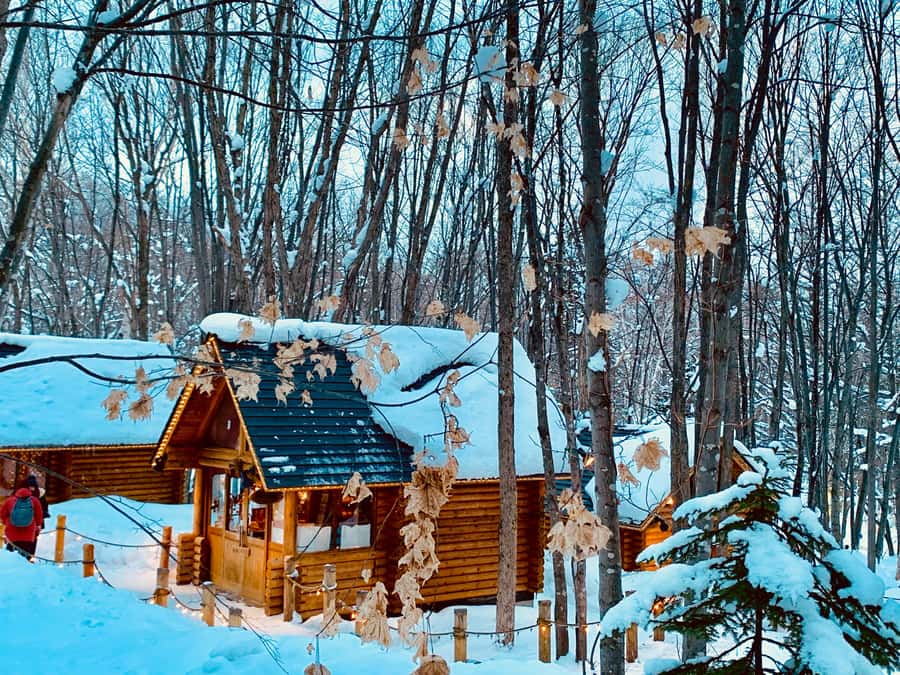
Shikisai-no-Oka is the heart of the garden portion of the tour. Flower beds run across a hillside in long bands, creating a broad sweep of color rather than a small formal garden. Depending on the season, you may see sunflowers, salvia, and other flowers arranged across the slopes.
I like this stop because it is easy to understand at a glance. You do not need a special interest in gardening to enjoy it. Walk along the paths, look back across the hillside, and take in the pattern of the fields from different points.
The admission fee is included, which improves the value of the $69 package. You are not faced with a surprise entrance charge at the main flower stop. The open setting also gives you more room for photographs than a narrow garden path would.
Keep your expectations seasonal. Flower displays change through the year, and the exact mix of blooms is not fixed. The tour description specifically names sunflowers and salvia as examples, but you should not expect the same flowers in every month.
Shikisai-no-Oka is also where the day can feel busiest. It is a popular attraction, and the broad flower fields are designed for viewing and photos. Your time is enough for a good walk, but probably not for a slow, detailed visit to every corner. Stay aware of the meeting time. A late return to the bus can hold up the whole group.
Lunch in Furano and the meal choice
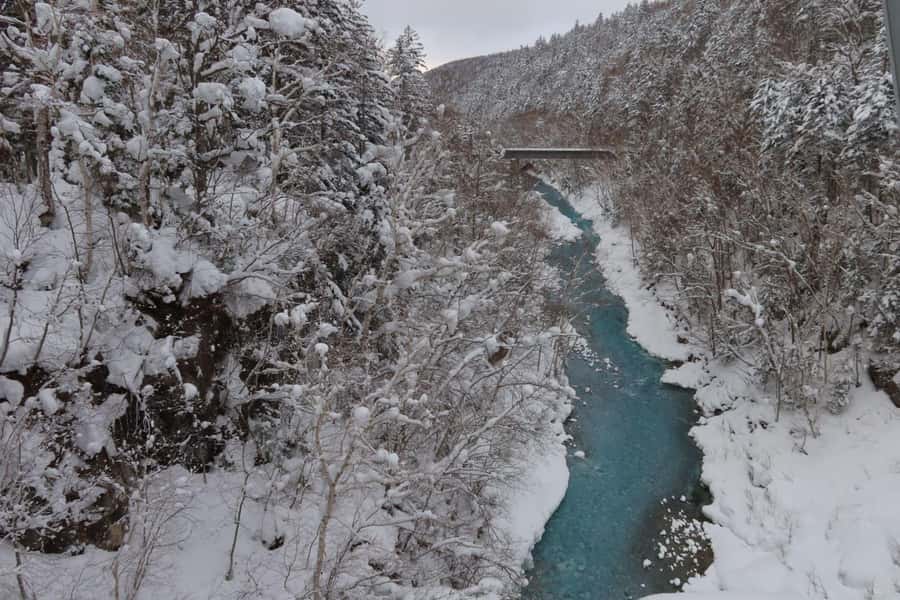
The lunch option takes you to a local Furano-style restaurant for a seasonal meal based on fresh Hokkaido ingredients. This is a practical way to eat during a full-day trip because you do not have to search for food between scheduled stops.
The exact lunch depends on the package you choose. If you book a package without lunch, the restaurant offers a simple Japanese set menu that you can order and pay for yourself. Read the selected option carefully before booking, since lunch is not automatically the same for everyone.
There is also a meal package with fresh farm food and unlimited cantaloupe. That detail may appeal to you if local produce is part of the reason you are visiting Hokkaido. It can also make the package feel better priced than buying lunch on your own, especially if you enjoy fruit and want a more substantial planned meal.
I would not choose the lunch plan solely because it sounds generous. Compare the added cost with your appetite and eating habits. Some people prefer the ease of a fixed meal, while others want to choose their own food. Either way, you should not assume that an infant meal is included. Children aged 0 to 2 can ride free without a seat, but their meal and seat are not included.
A few more Hokkaido tours and experiences worth a look

Farm Tomita from September 1 through September 30
For departures from September 1 through September 30, the seasonal route includes Farm Tomita. This is Hokkaido’s best-known flower farm, especially famous for lavender and colorful garden displays.
The visit is more than a quick roadside photo. You can walk through the grounds, see the flower beds, and browse the farm setting. Lavender soft-serve is the signature treat, so leave room for it if you want to try a local-style snack connected with the farm.
September is important here. Lavender is most strongly associated with the summer season, and a September visit should not be judged by photographs taken during peak lavender bloom. Farm Tomita still offers gardens and farm products, but the exact appearance depends on the season.
The route information gives the Farm Tomita visit a defined seasonal window. If this farm is the main reason you want to book, confirm that your date falls between September 1 and September 30. From October 1, it is not part of the tour.
Ningle Terrace from October 1 through October 15
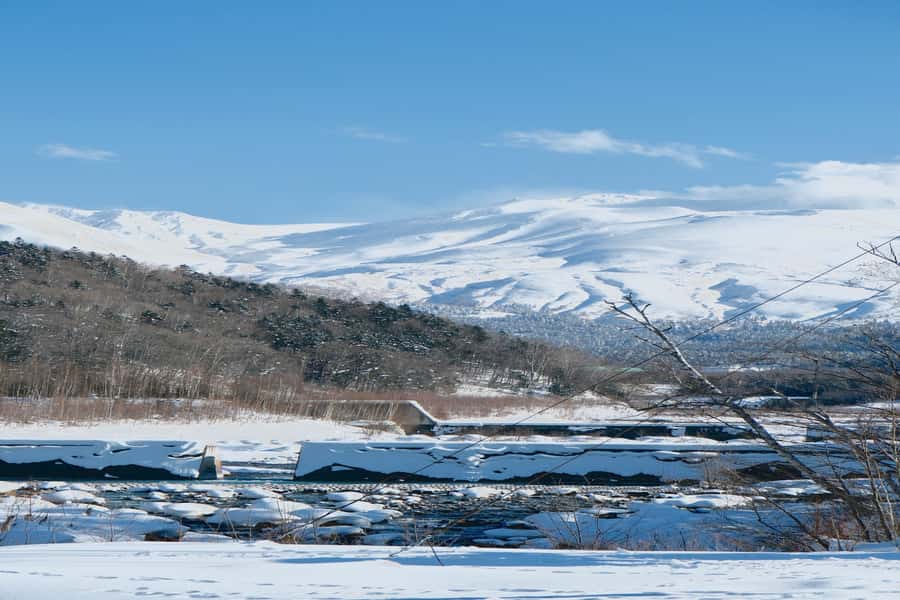
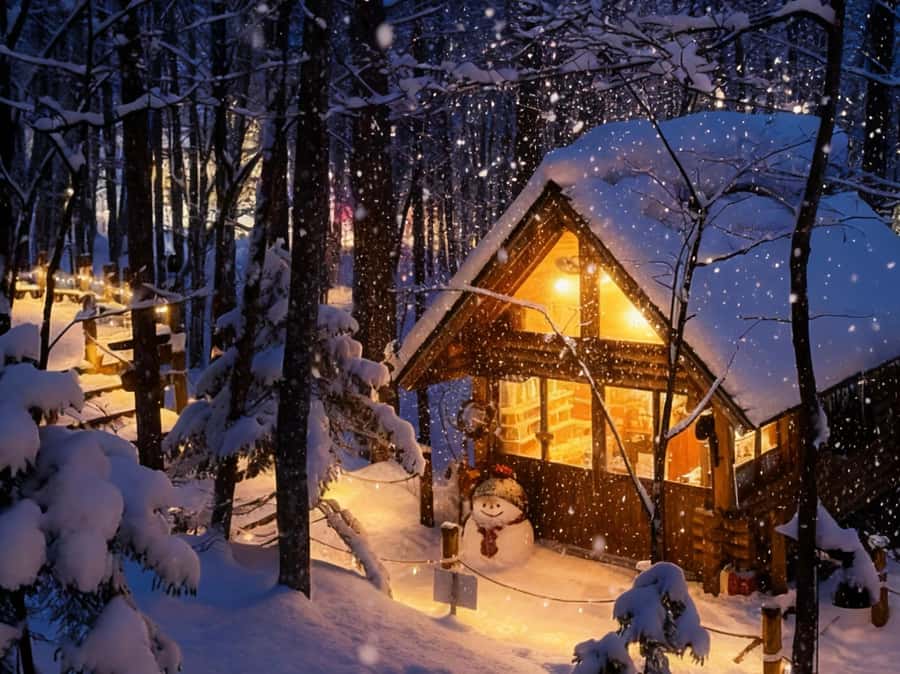
From October 1 through October 15, Ningle Terrace replaces Farm Tomita for about 40 minutes. This is not another flower farm. It is a small woodland-style shopping area made up of cozy wooden cottages.
The cottages sell handmade items, local crafts, and souvenirs. The atmosphere is more storybook than agricultural, and the stop suits you if you enjoy browsing small shops and taking photos in a forest setting.
This change creates two noticeably different versions of the tour. The September route is about flowers, gardens, and Farm Tomita’s lavender connection. The October route shifts toward crafts, shopping, and a compact woodland setting. Neither is automatically better, but they serve different interests.
The short duration matters. Forty minutes is enough to walk around and look through some cottages, but it is not a long shopping session. If you want to buy several gifts or examine every handmade item, you will need to move at a steady pace.
What the guide adds to a long bus day

A guide can make or break a coach excursion, and this tour has a useful strength in its language coverage. Service is offered in Chinese, English, and Japanese. One named guide, Oscar, introduced himself as Aska or Omo and was described as speaking three languages clearly, including strong Japanese.
That matters because the day includes several stops with different purposes. You need clear instructions about where to meet, how long you have, and what is worth seeing. A guide who can explain the history and culture of the area adds more than a person who simply points out the next stop.
Oscar was also praised for helping with practical problems. In one case, a family arrived on the wrong day and was allowed to join that day’s trip. That kind of flexibility should not be expected as a booking rule, but it shows why a helpful guide can make a difference when plans go wrong.
The coach and driver also receive positive attention. The bus is described as comfortable, and the driver as professional. You should still prepare for a full day of sitting, with time on the road between Biei, Blue Pond, Furano, and Sapporo.
The schedule, meeting point, and return to Sapporo
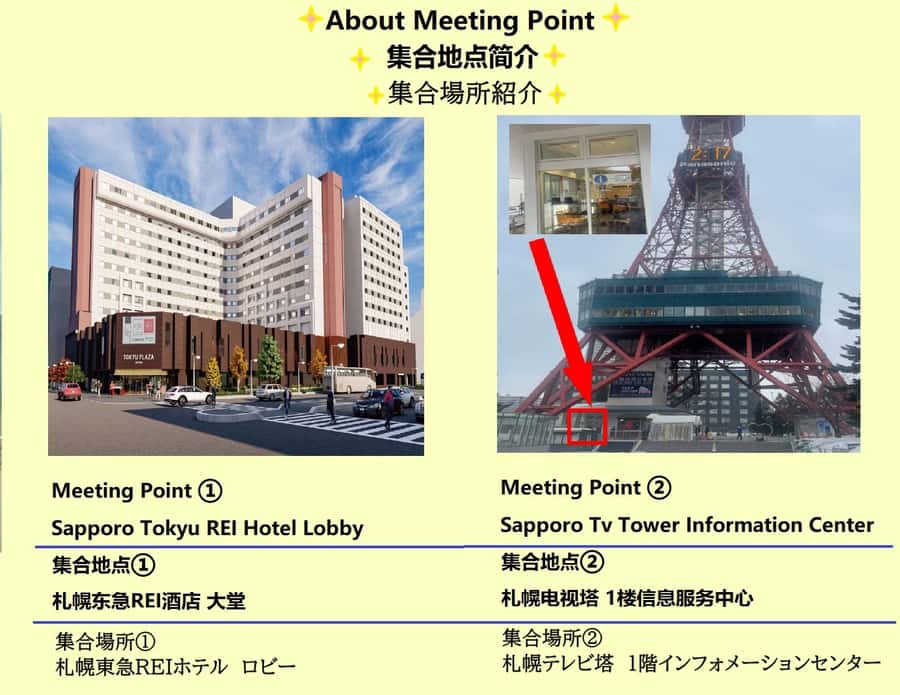
Your exact meeting point depends on the option you book. The tour ends back at that meeting point, so check the selected departure details rather than assuming every departure leaves from the same place.
Arrive at least 10 minutes early. Staff use an easygo flag for check-in, which should make the group easier to find. The bus will not wait for late arrivals, and the operator does not accept responsibility if you miss departure.
This warning is especially important in Sapporo, where reaching a meeting point can take longer than expected. Build in extra time, particularly if you are carrying luggage, navigating an unfamiliar station, or traveling with children.
Do not schedule a flight, dinner reservation, or another fixed activity too close to the tour’s return. Traffic congestion can delay a one-day road trip, and no compensation is provided if you miss a dinner or flight. The safest plan is to keep your evening open.
Is the $69 price good value?
For $69, the package includes the bus fee, a local guide, admission to Shikisai-no-Oka, and lunch if your selected plan includes it. That is a fair price for a full day reaching several places that are awkward to combine without a car.
The value is strongest for solo visitors, couples, and small groups who would otherwise need to rent a vehicle. It is also strong for anyone who wants help in English, Chinese, or Japanese and prefers not to manage rural transport.
The value is less clear if you already have a car or care mainly about one site. A self-drive day gives you more control, although you take on fuel, parking, navigation, and the responsibility of driving between stops.
Infants aged 0 to 2 can join free if they do not need a seat. If you want a seat and lunch for an infant, those are charged at the child rate. Families should factor that into the final cost.
You can reserve now and pay later, and cancellation is allowed up to 24 hours before departure for a full refund. Those terms help if your Hokkaido plans are still shifting, but they do not remove the need to arrive on time.
Who should book this Hokkaido tour
I would choose this tour if you are based in Sapporo, want to see Biei and Furano in one day, and prefer a guide-led trip over driving. It is a good match for first-time visitors who want major sights without building a rural route from scratch.
It also suits you if language support matters. Clear English communication has been a repeated strength, and the three-language service is useful for a mixed-language group.
Families may appreciate the easy structure, though the long day and fixed schedule can test younger children. The bus keeps the day simple, but you cannot leave early from one stop or extend another.
Photography lovers should like the range of subjects: quilt-like fields, turquoise water, hillside flowers, wooden cottages, and lavender-related farm scenery in September. Just remember that outdoor color depends on season and weather.
Should you book it?
Book this tour if you want a broad, efficient day outside Sapporo and do not want to rent a car. The strongest reasons are the mix of Blue Pond, Biei scenery, Shikisai-no-Oka, and a seasonal Furano stop, along with a multilingual guide and a price that includes transport.
Choose the September departure if Farm Tomita and lavender products matter most. Choose the October 1 to October 15 route if handmade crafts, cottages, and a woodland setting sound more appealing.
Skip it if you dislike coach schedules, need guaranteed arrival at a flight or dinner, or want to spend most of the day at one garden. For everyone else, this is a practical way to see central Hokkaido’s best-known countryside in a single, well-supported day.
FAQ
What attractions are included on this Hokkaido day tour?
The route includes Biei’s Patchwork Road scenery, Shirogane Blue Pond, Shikisai-no-Oka, a Furano-style local restaurant, and a seasonal final attraction. Farm Tomita is included from September 1 through September 30. Ningle Terrace replaces it from October 1 through October 15.
When does Farm Tomita appear on the route?
Farm Tomita is visited from September 1 through September 30. From October 1, Farm Tomita is not included and the route visits Ningle Terrace instead.
What is Ningle Terrace?
Ningle Terrace is a woodland area with small wooden cottages selling handmade treasures, local crafts, and souvenirs. The visit lasts approximately 40 minutes from October 1 through October 15.
Is lunch included?
Lunch is included only with the lunch package you select. If you choose a package without lunch, you can order a simple Japanese set menu at the restaurant on your own.
What languages are available on the tour?
The tour is offered in Chinese, English, and Japanese. A guide named Oscar, who introduced himself as Aska or Omo, has been noted for speaking three languages clearly.
Are infants free?
Children aged 0 to 2 can travel free without occupying a seat. This does not include a meal or a seat. If you need both for an infant, they are charged at the child rate.
More Furano Tours in Hokkaido
More tours in Hokkaido we've reviewed
Lavender & Flower Field Tours, compared.
 ★ 4.0Sapporo: Furano Flower Sea & Biei Blue Pond Tour w/ PickupFrom $77
 ★ 4.0Hokkaido Highlights of Flower Blossom, Asahiyama Zoo& Blue pond「Aoi-ike」!From $87
 ★ 4.6Sapporo: Furano Lavender & Biei Blue Pond Tour with LunchFrom $94
 ★ 4.0Shikisai-no-Oka and Furano Tour with buffet lunch from SapporoFrom $94
 ★ 4.2From Sapporo : Hokkaido Furano Tomita Farm Joiner TourFrom $15010 hours
The lists this tour appears in