

Reviewed · LAVENDER & FLOWER FIELD TOURS
Sapporo: Furano Flower Sea & Biei Blue Pond Tour w/ Pickup
Biei’s Blue Pond is the star here, and it earns the fuss. Mineral-rich water shifts from blue-green to cobalt in the sun, while pale tree trunks rise from the pond like the remains of a drowned forest. Add Furano’s flower fields, a buffet lunch, and a long but well-filled day, and this is an easy way to see Hokkaido beyond Sapporo.
In This Article
- Key points at a glance
- Why this day trip works from Sapporo
- Blue Pond at 10:30 AM
- Shirahige Waterfall and the Blue River
- Roller Coaster Road at noon
- Buffet lunch and the melon option
- Four Seasons Color Hill from 2:00 PM
- Farm Tomita and Furano’s famous flowers
- The long return to Sapporo
- What the guiding is really like
- Is $77 a fair price?
- Who should book this outing?
- Practical advice before you reserve
- FAQ
- Where does the tour start?
- Is hotel pickup available?
- Can solo travelers use hotel pickup?
- How large is the group?
- Is lunch included?
- Is all-you-can-eat melon included?
- Is English guiding provided?
- What happens if the flowers are not blooming?
- Should you book it?
I like two things in particular: the route packs in several very different sights, and the small vehicle, limited to 13 people, should feel more personal than a large coach. The included Four Seasons Color Hill ticket and buffet option also make the price easier to judge. The catch is the limited English commentary. Drivers can usually manage meeting instructions and simple conversation, but this is not a full guided tour with detailed explanations at every stop.
Key points at a glance
- Blue Pond in the morning: The cobalt water and bare trees are at their most striking in clear morning light.
- Five major stops beyond Sapporo: You visit Blue Pond, Shirahige Waterfall, Roller Coaster Road, Four Seasons Color Hill, and Farm Tomita.
- Food built into the day: Depending on the package, you get a buffet lunch and an all-you-can-eat melon option.
- Small group transport: The maximum group size is 13, a useful middle ground between a private tour and a full-size bus.
- A packed 10-hour outing: The schedule covers a lot, but each stop is short and the road time is substantial.
- Guiding is light: English, Chinese, and Japanese are listed, but complete English narration is not guaranteed.
Why this day trip works from Sapporo
Sapporo is a fine base, but Hokkaido’s best-known scenery sits well outside the city. Biei and Furano are far enough away that arranging trains, local buses, and taxis for all these stops would be awkward in one day. This tour solves that problem with one vehicle and a fixed route.
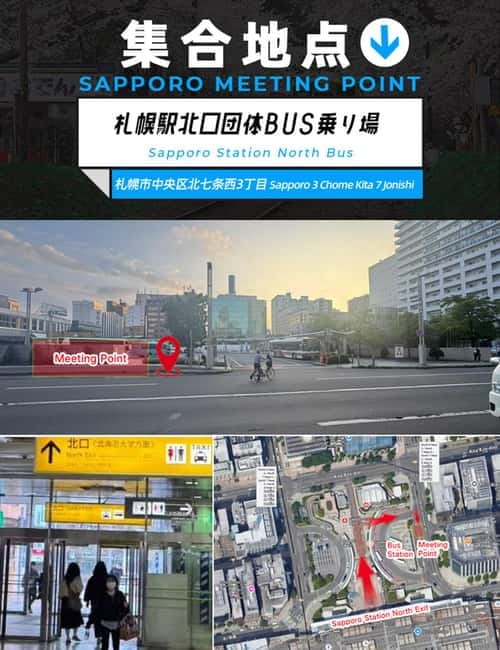
The day begins around 8:00 AM. You can choose hotel pickup if your address is within 3 kilometers of Sapporo Station, generally between 7:30 and 8:00 AM, or meet at Sapporo Station’s North Exit. Solo bookers must use the station meeting point because hotel pickup requires at least two people.
You should arrive 15 minutes early. Departure times are strict, and a missed departure does not qualify for a refund or a new departure. That may sound severe, but the route covers a long distance and even a small delay can push the last stops into poor light or heavy traffic.
The bus or van is air-conditioned, and the advertised maximum is 13 people. That is small enough for quicker loading and less time spent collecting people from different hotels. It is not a private tour, though, and you must stay with the group throughout the day.
A few more Sapporo tours and experiences worth a look


Blue Pond at 10:30 AM
The first major stop is Biei’s Blue Pond, reached around 10:30 AM. You get about 30 minutes here, which is enough to walk to the viewing area, take photographs, and look at the changing color of the water. It is not enough for a slow, wandering visit.
The pond’s unusual color comes from minerals in the water. Sunlight, weather, and viewing angle affect the shade, so the blue you see may range from pale turquoise to a darker cobalt tone. The dead trees rising from the water give the place its strange, almost unreal character.
The pond became famous after Apple used an image of it as a MacBook wallpaper. That fame has brought crowds, but the short stop still makes sense because the main viewing area is compact. I would keep your camera ready and avoid spending the first few minutes searching for the perfect angle. You have a tight schedule.
Morning timing is a smart choice. The group arrives before the afternoon portion of the route, and clear light can make the color more intense. Still, do not expect a guaranteed postcard view. Natural water color changes with weather and light.
Shirahige Waterfall and the Blue River
At about 11:20 AM, the bus continues to Shirahige Waterfall for 20 minutes. The waterfall is unusual because its water comes from underground springs. Mineral-filled streams slip through the rocks in thin white lines before joining the blue-green river below.
This stop gives you a different view of Biei’s famous color. Blue Pond is quiet and still, while Shirahige is moving water, sound, spray, and stone. The contrast makes the two stops work well together, even though both are brief.
Twenty minutes is enough for photographs and a quick look from the viewing area. It is not a place where you will have time to explore at leisure. If you enjoy scenic viewpoints but do not need long walks, the timing is fine. If you prefer a slower pace, the full day may feel rushed.
Roller Coaster Road at noon
Around noon, you drive along the 2.5-kilometer Roller Coaster Road. This is a drive-through sight rather than a walking stop. The road rises and falls over a series of hills, creating a roller-coaster effect as fields, sky, and distant ridges seem to meet and separate.
Your best view depends on your seat, weather, and traffic. Keep your camera near the window, but remember that taking photographs from a moving vehicle can be hit or miss. The road itself is the attraction, so there is no long photo stop to reset your plan.
This part of the route is useful because it shows the open farmland around Biei instead of only the famous named viewpoints. It also breaks up the morning’s short walks before lunch. If you are prone to motion sickness, the repeated rises and drops may be less enjoyable than the waterfalls and flower farms.
Buffet lunch and the melon option
Lunch begins around 12:20 PM and lasts about an hour. The buffet includes Hokkaido-style choices such as miso ramen, grilled salmon, and dairy-based desserts. The exact buffet selection can vary, so think of it as a practical meal with regional touches rather than a formal food tour.
The all-you-can-eat melon option is a key selling point for some people. Yubari melons are one of Hokkaido’s best-known food products, and unlimited portions turn lunch into part of the day’s entertainment. Check the package you select, because the melon is described as an upgrade rather than a universal inclusion.
The buffet setup is also helpful if your group has different tastes. You can choose a little of several dishes instead of committing to one menu. Dietary needs may be accommodated by skipping lunch, but there is no refund for an uneaten meal. The supplied details do not promise a special dietary menu, so ask before booking if you have strict requirements.
A few more Sapporo tours and experiences worth a look

Four Seasons Color Hill from 2:00 PM
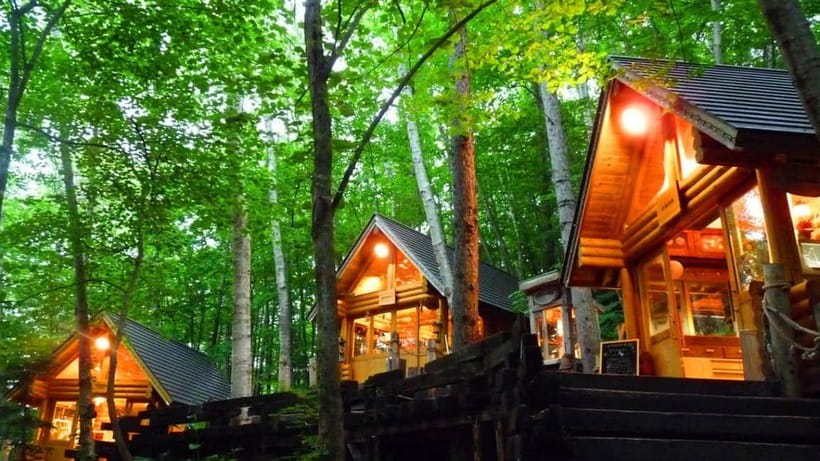
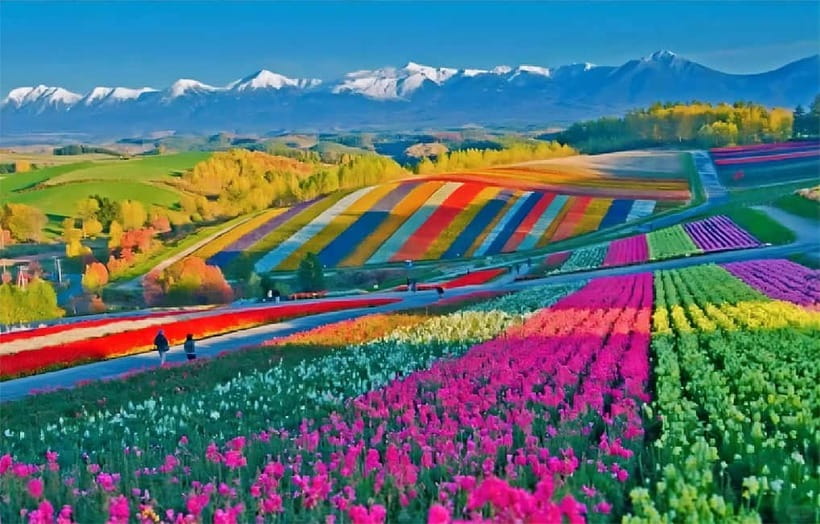
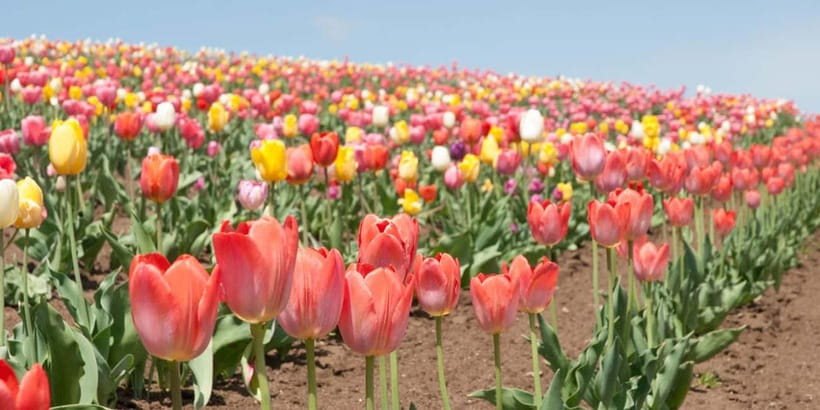
Four Seasons Color Hill is scheduled for about 2:00 PM, with one hour to explore. The site covers 15 hectares and is planted with seasonal flowers such as lavender, poppies, and sunflowers. The slopes are designed for broad color bands, giving you a classic Furano flower-field view.
Admission is included, which matters because this is one of the stops where you are paying for access to a managed attraction rather than simply pulling over at a public viewpoint. You can walk among the planted areas, take photographs, and enjoy the open hills without needing to arrange another ticket.
There is also an optional alpaca-feeding experience for ¥500. That is a small extra charge, but it may be a fun choice for families or anyone who wants more than flower photographs.
The timing is seasonal. Four Seasons Color Hill is listed for visits from May through October, and flowering dates shift from year to year. In May, some summer flowers may not yet be at their best. In October, the display can be past its main season. The route may be adjusted to another flower field when needed, but natural variation is not grounds for a refund.
Farm Tomita and Furano’s famous flowers
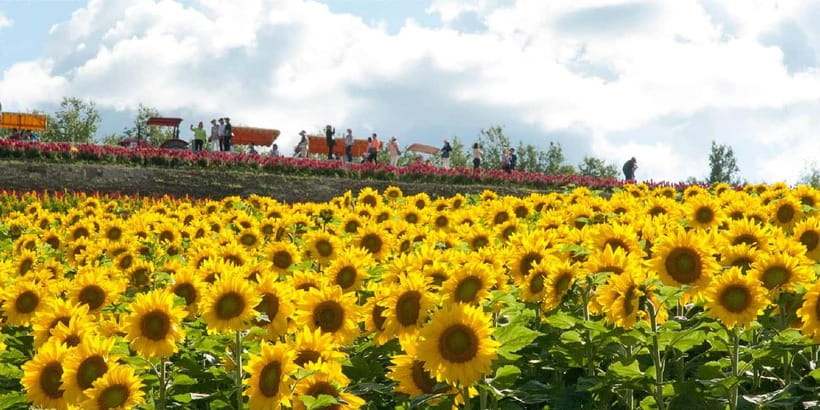
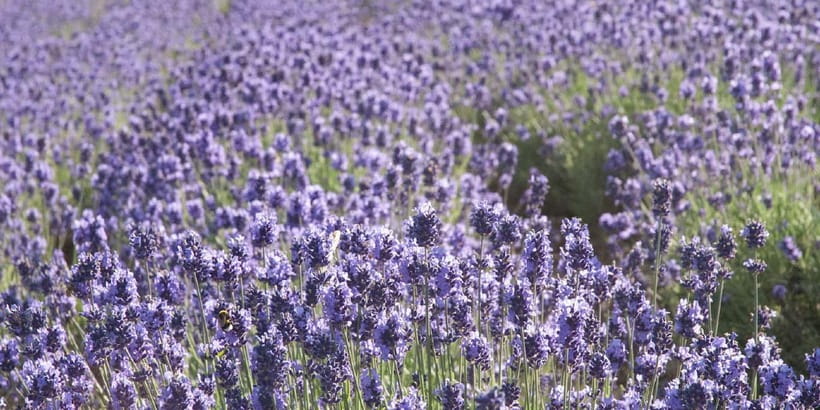
The final major stop is Farm Tomita at about 3:40 PM, with roughly 50 minutes on site. This is one of Furano’s best-known flower farms, especially for lavender. Its appeal comes from the combination of broad planted fields, seasonal color, and lavender-based products.
Farm Tomita is most strongly associated with summer lavender, but the flower displays change with the season. If you visit during peak lavender time, you will see the scene that made Furano famous. Outside that period, the farm can still offer flowers and products, but your expectations should be more flexible.
Fifty minutes gives you time for the main fields and a look at the shop areas. It does not allow a slow visit to every corner. I would choose your photographs first, then leave time for lavender-themed items if you want a small food or gift purchase.
This stop comes late in a long day. That is good for the return drive because you have already completed the main sightseeing, but it can also mean tired legs and a crowded feel during popular flower weeks. The payoff is that you see Farm Tomita without spending a separate day organizing transport.
The long return to Sapporo
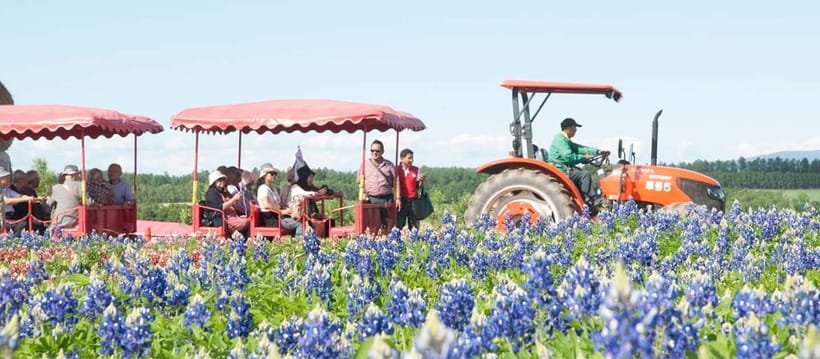
The return begins around 4:10 PM, with drop-off at Sapporo Station or your original pickup location. The entire outing takes about 10 hours, and the drive between Sapporo and the Furano area is a major part of the day.
One useful feature is the planned restroom rhythm. A reported itinerary included breaks at suitable places roughly every hour during the long drive, which is especially helpful if you are traveling with older family members. Road conditions can be bumpy, and the experience depends partly on where you sit. One account found the back of the van uncomfortable, while another described the vehicle as clean and tidy.
Traffic can alter the schedule by 15 to 45 minutes during busy periods, including March through May and October through November. The company may rearrange the order of stops to keep the day moving, but the aim is to cover the listed sights.
What the guiding is really like
This is best understood as a scenic transfer with a driver-guide, not a lecture-filled sightseeing tour. English, Chinese, and Japanese are listed, but the English service is limited. You should expect basic help with departure times, meeting points, and directions rather than detailed history or nature talks at every stop.
That distinction matters. If you want to know why the Blue Pond changes color, how Furano farming developed, or what you are seeing at each flower field, you may need to read ahead or use your own guidebook. One driver named Gem was described as kind, funny, communicative, and happy to answer questions, so the personal experience can depend strongly on the person assigned to your vehicle.
There is also a language risk for English-only visitors. Some departures may have mostly Chinese-speaking passengers, and the driver may give fuller explanations in Chinese than in English. Other drivers may try hard to speak with English-speaking passengers but still provide only simple commentary.
I would book this for the transport and route, not for expert guiding. That keeps your expectations in the right place.
Is $77 a fair price?
At $77 per person, the value is strongest if you want to see all these places in one day. The price covers air-conditioned transport and the Four Seasons Color Hill admission. Depending on your selected package, it can also cover buffet lunch, hotel pickup, and the melon option.
Compare that with arranging separate transport from Sapporo to Biei, then continuing to Shirahige Waterfall, the Roller Coaster Road, two flower attractions, and back to Sapporo. Even if public transport costs less in isolation, the connections and taxi rides would take planning and could reduce your time at the sights.
The trade-off is control. You cannot linger at Blue Pond for two hours, skip a flower farm because you are tired, or change the route to suit the weather. You also pay for meals you may not use if you skip lunch, and the melon is not necessarily part of every package.
For a first Hokkaido visit, the price is reasonable as a transport-and-sightseeing package. It is less attractive if you already have a rental car or prefer to spend a full afternoon at one flower farm.
Who should book this outing?
I would recommend it to you if:
- You have only a few days in Hokkaido and want Biei and Furano in one outing.
- You do not want to drive long rural roads yourself.
- You like taking photographs at several famous viewpoints.
- You appreciate included food and admission rather than handling several small payments.
- You can manage a full day with short stops and long periods in a vehicle.
- You are comfortable with light English guidance.
Families can benefit from the fixed transport and regular restroom breaks, although anyone with limited mobility should confirm the physical demands before booking. The activity is not suitable for people over 80 according to the supplied conditions.
It is a weaker fit if you need extensive English explanations, dislike fixed schedules, or want quiet time in the flower fields. The small group helps, but it does not turn the trip into a private tour.
Practical advice before you reserve
Choose the station meeting point if you are traveling alone or if your hotel is outside the 3-kilometer pickup zone. The exact gathering information and a photo of the meeting point are sent by email the day before, so check your spam folder as well as your main inbox.
Wear shoes you can walk in comfortably and dress for changing outdoor conditions. The details provided do not promise specific weather protection, and many stops are outside. Keep water and personal snacks with you if you do not choose the lunch package.
Sit near a window if you want the best chance of photographing Roller Coaster Road. If comfort matters, avoid assuming every vehicle has the same seating quality. A clean, tidy vehicle has been reported, but the back seats can be less comfortable on the long drive.
Book with the season in mind. Summer gives you the best chance of seeing lavender and full flower displays, while early or late season visits may bring a different mix. The tour can change flower-field stops, but no operator can force flowers to bloom on schedule.
FAQ
Where does the tour start?
The standard meeting point is Sapporo Station North Exit, at 3 Chome Kita 7 Jonishi, Kita Ward, Sapporo, Hokkaido 060-0807. A photo of the gathering point is sent by email the day before.
Is hotel pickup available?
Hotel pickup is available for addresses within 3 kilometers of Sapporo Station, usually between 7:30 and 8:00 AM. Pickup in other districts requires approval.
Can solo travelers use hotel pickup?
No. Hotel pickup requires at least two guests. Solo travelers must meet at Sapporo Station.
How large is the group?
The group is limited to a maximum of 13 guests.
Is lunch included?
A buffet lunch is included with the optional lunch package. The menu includes items such as miso ramen, grilled salmon, and dairy-based desserts.
Is all-you-can-eat melon included?
All-you-can-eat Yubari melon is described as an upgrade option. Check the package details when booking.
Is English guiding provided?
English, Chinese, and Japanese are listed. Drivers can handle basic conversations about meeting times and directions, but complete English commentary is not guaranteed.
What happens if the flowers are not blooming?
The route may be adjusted to alternative flower fields for better seasonal viewing. Natural changes in flowering do not qualify for a refund.
Should you book it?
Book this tour if your priority is seeing the Blue Pond, Shirahige Waterfall, Biei’s rolling roads, and Furano’s flower farms without renting a car. At $77, the combination of transport, selected admission, and optional food is useful, especially for a first visit.
Skip it if you want a fully narrated English tour or long, unhurried visits. The smartest way to approach this outing is as a well-packed scenic day with light guiding. Bring your own background notes, arrive early, keep your schedule flexible, and you’ll be prepared for the parts that matter most: blue water, open fields, flowers, and a very long but rewarding day outside Sapporo.
More Biei Tours in Sapporo


More Lavender & Flower Field Tours in Sapporo
More Biei Blue Pond Tours in Sapporo


More tours in Sapporo we've reviewed


Lavender & Flower Field Tours, compared.
 ★ 4.0Hokkaido Highlights of Flower Blossom, Asahiyama Zoo& Blue pond「Aoi-ike」!From $87
 ★ 4.5Hokkaido Lavender farm & Furano Flower Tour from SapporoFrom $69
 ★ 4.6Sapporo: Furano Lavender & Biei Blue Pond Tour with LunchFrom $94
 ★ 4.0Shikisai-no-Oka and Furano Tour with buffet lunch from SapporoFrom $94
 ★ 4.2From Sapporo : Hokkaido Furano Tomita Farm Joiner TourFrom $15010 hours
The lists this tour appears in