

Reviewed · ASAHIYAMA ZOO TOURS
Sapporo Winter : Asahiyama Zoo (Penguin Fun & Snowmobile)
Asahiyama Zoo’s winter penguin walk is the star here. You also get a snowmobile option across snowy fields, plus a full day of Furano scenery without having to manage icy roads yourself. Guides such as Hong and Sunny have earned special praise for clear updates and thoughtful help.
In This Article
- Key points to know before booking
- Why the penguin walk makes this day worth considering
- The long ride from Sapporo
- Ningle Terrace and Furano’s small craft huts
- Shikisai-no-oka and the optional snowmobile ride
- Ken and Mary Tree, a brief roadside pause
- The 100-minute visit to Asahiyama Zoo
- What the $58 price really covers
- The pace, weather, and practical limits
- Guides, communication, and the small details that help
- Who should book this Hokkaido day trip
- FAQ
- Where does the tour start and end?
- Is Asahiyama Zoo admission included?
- Does the tour include a snowmobile ride?
- What happens if I do not ride a snowmobile?
- What happens if Ningle Terrace is closed?
- Is lunch included, and can I eat on the bus?
I like the heated bus and the way it links several hard-to-reach sights in one day. I also like the mix of animal viewing, craft shops, snowy photo stops, and optional outdoor fun. The catch is simple: this is a long day with substantial bus time, and the schedule can feel fast.
Key points to know before booking
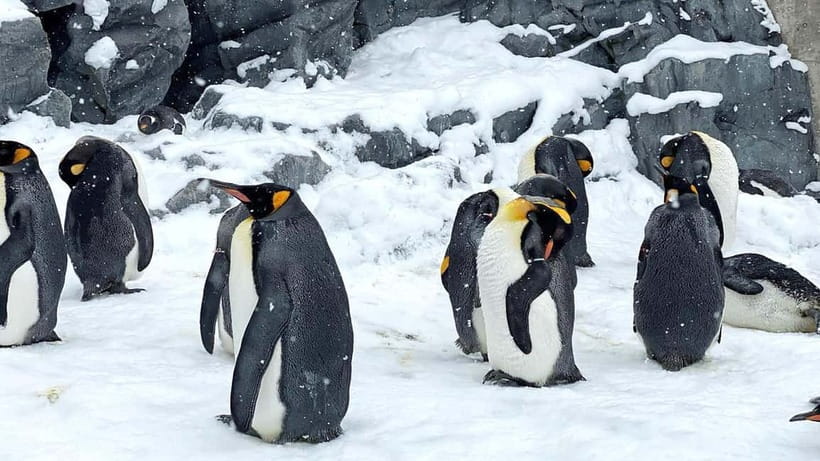
- Penguin walk at Asahiyama Zoo: Winter is the zoo’s best season for seeing penguins active in the snow.
- Snowmobile ride costs extra: Plan on ¥20,000 for a double snowmobile or ¥15,000 for a single.
- Four major stops: You visit Ningle Terrace, Shikisai-no-oka, Ken and Mary Tree, and Asahiyama Zoo.
- Snow conditions affect the day: Early December may not have enough snow for snowmobiles, and road delays can shorten visits.
- Guide support matters: Hong and Sunny are named as especially helpful guides, while onboard service may be multilingual.
- Good value at $58: Zoo admission and round-trip transport are included, but lunch, insurance, and the snowmobile are not.
Why the penguin walk makes this day worth considering
Asahiyama Zoo is not simply a place to look at animals behind glass. Its exhibits are designed around animal behavior, giving you a better chance to see how creatures move and feed. In winter, snow adds something special: penguins walk outdoors, seals move through water and viewing tunnels, and monkeys huddle against the cold.
You get about 100 minutes inside the zoo. That is enough time to see the main winter sights, especially if the penguin walk is your priority, but it is not enough for a slow visit to every corner. I would check the daily penguin-walk timing with your guide as soon as you arrive and head there first if needed.
The zoo is the strongest reason to choose this trip. The other stops are attractive, but Asahiyama gives the day a clear purpose beyond snowy photographs. The winter setting also helps you see familiar animals in a different way, with cold-weather behavior taking center stage.
A few more Sapporo tours and experiences worth a look


The long ride from Sapporo
The day begins at a selected pickup point near Odori Park Subway Station or JR Sapporo Station, depending on the option you book. The first bus ride lasts about two hours and 15 minutes, so bring a power bank, warm clothing, and something small to eat for the road.
Food and drinks are not allowed in the vehicle. That rule is worth taking seriously, especially because winter traffic can stretch the ride. Bring an odorless snack such as an energy bar for delays, but plan to eat it outside the bus or during a scheduled stop.
The vehicle changes according to group size. You will have a heated bus or coach, which is a major comfort in Hokkaido’s cold season. Still, a heated bus does not make the day short. With the return ride lasting about two and a half hours, you should be comfortable sitting for long periods.
The guide may speak Chinese and English, but daily service can include international passengers using more than one language. The driver-guide may have limited English, and there may be no running commentary while the vehicle is moving. If you want detailed background at every turn, this may feel light on narration. If you mainly want transport, basic help, and safety advice, it should suit you well.
Ningle Terrace and Furano’s small craft huts
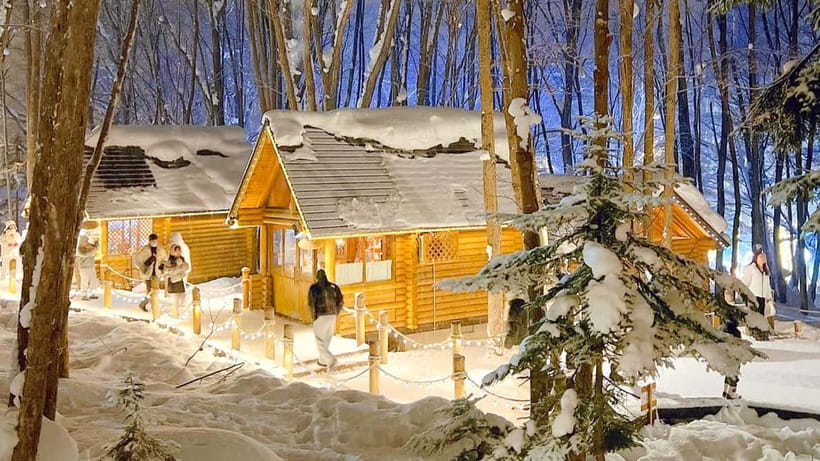
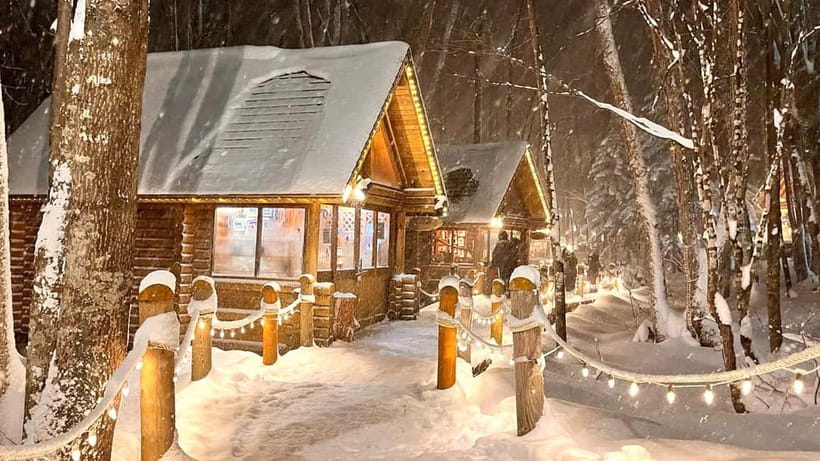
Your first stop is Ningle Terrace, a small forest-style shopping area in Furano. Snow-covered huts sit among the trees, creating a storybook setting that feels far removed from central Sapporo.
You have about 30 minutes here. That is enough to walk around, take photographs, and browse the handmade goods, but not enough for a leisurely shopping session. Look for local craft items, lavender-themed souvenirs, paper art, and winter-only glassware. The setting is the main attraction, so even a short visit can work if you are ready to keep moving.
The name and mood draw on author Kenji Miyazawa’s forest-fairy imagery. You do not need to know the literary reference to enjoy the place, but it explains the tiny huts and woodland design.
There is an important schedule change on Japanese weekends, national holidays, and days with traffic restrictions. If Ningle Terrace is closed or difficult to reach, the tour replaces it with Takushinkan Museum. There, you can see photographs of Hokkaido winter scenery and, on the appropriate holiday program, ice and snow light art.
That substitute is less of a shopping stop and more of a quiet indoor visit. If you have your heart set on Ningle Terrace, avoid assuming it will be available every day. Check the final details sent by email before departure.
Shikisai-no-oka and the optional snowmobile ride
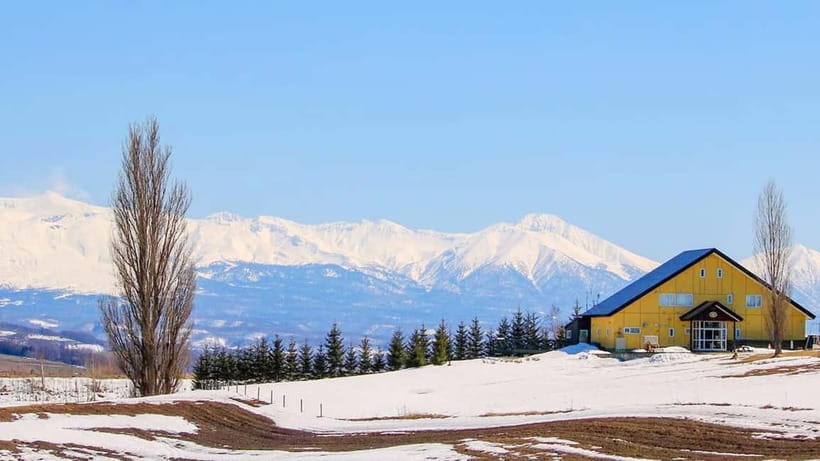
After roughly 40 minutes on the road, you reach Shikisai-no-oka for about an hour and a half. In summer, the area is known for broad fields of color. In winter, snow covers the ground and distant mountains frame the view.
This is the tour’s best place for wide winter photographs. You can walk along snow paths, take pictures, and enjoy the open setting without needing to plan a separate trip into the Furano area. Wear proper winter shoes with good grip. Ordinary city footwear can become a nuisance on packed snow.
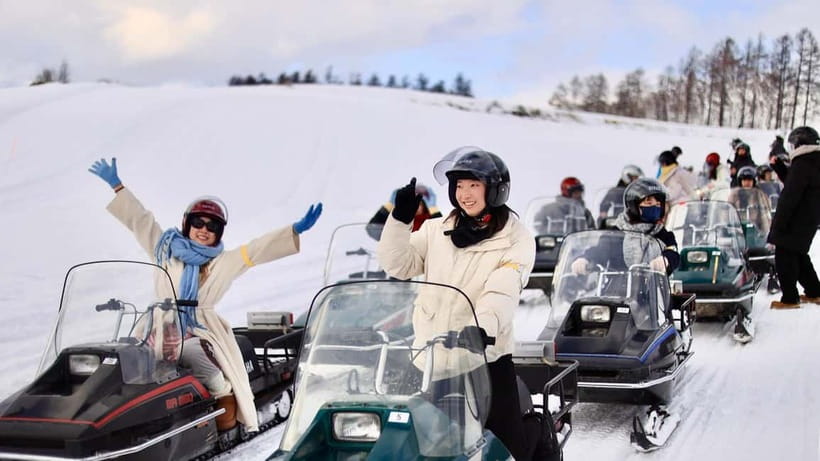
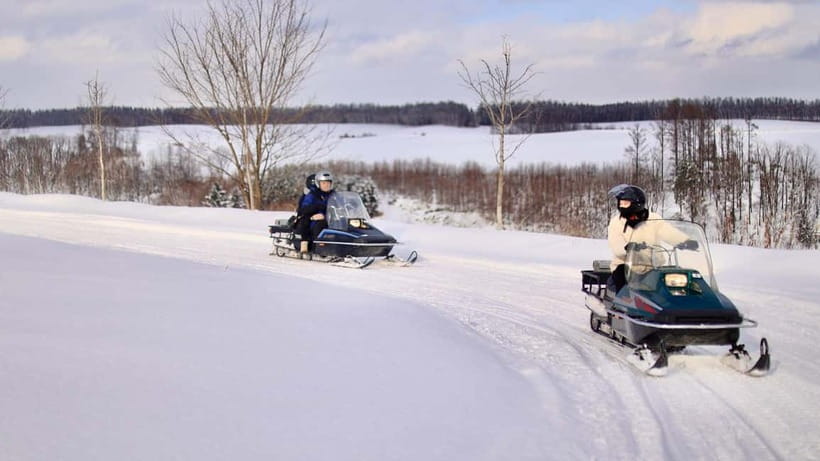
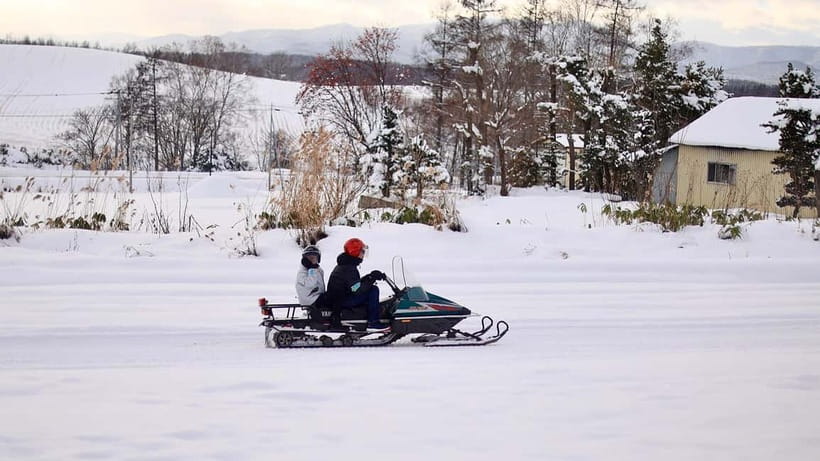
The snowmobile ride is optional and costs extra. The listed rates are ¥20,000 per double snowmobile and ¥15,000 per single snowmobile. Confirm the choice with your guide in advance, rather than treating it as an automatic part of the $58 booking price.
The ride is the most active part of the day. You cross snowy fields and get a direct taste of Hokkaido’s winter recreation. One guide, Sunny, has been singled out for making the snowmobile experience a favorite part of the day. That makes sense for anyone who wants more than scenery and animal viewing.
You do not have to ride. If you skip it, you can use the snowmobile park’s free snow activities, such as snowball fights and photographs. There is no separate replacement attraction, so do not expect another museum or sightseeing stop while the rest of the group rides. This matters for couples or families with mixed interests.
The stop lasts about 90 minutes, which gives riders and non-riders some breathing room. Even so, the day is organized around a group schedule, not a private snowmobile session. Ask the guide about the exact riding arrangements and available time when you arrive.
Early December is a special concern. Snow may not yet be deep enough for snowmobiles, so you should not pay for the tour solely for that activity if you are traveling at the start of the season. The winter-exclusive operating period runs from December 1, 2025, through March 15, 2026, but snow conditions still control what is possible.
Ken and Mary Tree, a brief roadside pause
The Ken and Mary Tree is a short stop, about 10 minutes, reached after a 15-minute drive from Shikisai-no-oka. The tree is famous for its shape and its connection with a past automobile advertisement, but in winter the appeal is visual: snow-heavy branches, white fields, and mountain scenery.
This is a drive-by photo stop rather than a long walk. Your guide may pause at useful viewpoints so you can photograph it from the vehicle or nearby stopping area. That is practical in severe cold, though anyone hoping for a long visit will find this part brief.
Treat the tree as a bonus, not the main reason to book. Its value comes from how little effort it takes. You get one of Hokkaido’s recognizable rural images without spending a large part of the day outside.
A few more Sapporo tours and experiences worth a look


The 100-minute visit to Asahiyama Zoo
The final major stop is Asahiyama Zoo, reached after about 35 minutes from the tree. Admission is included, and the guide handles group check-in, so you do not need to pay another entrance fee at the gate.
Your 100 minutes here will pass quickly. Start with the animal or exhibit you most want to see, then use the remaining time for other winter displays. The penguins are the obvious priority, especially if the outdoor walk is scheduled during your visit.
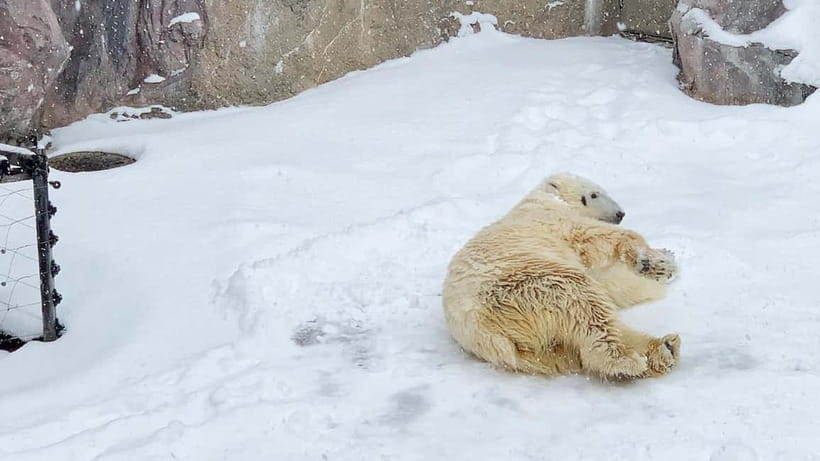
You can also see seals and monkeys in the snow. The zoo’s natural-habitat approach makes the visit feel more active than a simple row of enclosures. Seals may be viewed through water-focused exhibits, while monkeys’ cold-weather behavior gives the winter visit its character.
Bring a camera, but protect your phone battery. Cold weather can drain batteries quickly, and a power bank is specifically worth packing. Snow can also make paths slippery, so warm clothing and sensible footwear are more useful than stylish but thin winter gear.
The limited time is both a strength and a weakness. You get a clear, manageable introduction to one of Hokkaido’s best-known zoos without having to organize transport from Sapporo. On the other hand, you may need to skip exhibits or move quickly. A February booking gives you a better chance of fully established winter conditions than an early December departure, though weather can never be guaranteed.
What the $58 price really covers
At $58 per person, this tour offers useful value if you want to combine Asahiyama Zoo with Furano sights in one day. Round-trip transport, a guide, and zoo admission are included. That removes several costs and planning tasks, especially the challenge of driving long distances on snowy roads.
Lunch is not included. The bus also does not allow food or drinks, so use the scheduled breaks sensibly and carry a small, odorless snack for unexpected road delays.
The snowmobile ride is the largest extra expense. At ¥15,000 for a single or ¥20,000 for a double, it can cost a substantial amount compared with the base tour. Decide in advance if that price fits your budget. If not, Shikisai-no-oka still offers snow paths and free snow activities.
Personal and travel insurance are also separate. Given the cold, road conditions, and optional winter sport, adequate insurance is sensible. Luggage transport may be possible with advance notice and an extra fee, but you should contact the operator before the day rather than arriving with large bags.
The pace, weather, and practical limits
This is a nine-hour, full-day outing with about five hours of combined bus travel. The schedule works because the stops are short and well spaced, but it can feel rushed. If you prefer lingering over coffee, browsing every craft stall, or exploring a zoo at your own speed, consider booking separate day trips.
Winter roads can change the plan. Weekends and Japanese national holidays can bring traffic jams, and severe weather may lead to cancellation decided the day before departure. If traffic blocks an attraction, there is no promised refund for the missed stop. Book with that limitation in mind.
The tour is not suitable for children under three, pregnant women, people with mobility impairments, or people over 70. Snow paths, cold temperatures, vehicle steps, and the long day all make this a more demanding outing than the cheerful photos suggest.
You should receive final travel details by email before 19:00 on the day before departure. Check your spam folder as well as your main inbox. Pickup arrangements can depend on your chosen option, and the operator may request your hotel address, flight details if relevant, number of people, children’s ages, and contact phone number.
Guides, communication, and the small details that help
The guide can make a big difference on a day with changing weather and several transfers. Hong is described as clear, considerate, polite, and good at keeping people up to date. Sunny is especially associated with a strong snowmobile experience. Another day may have a different guide, so treat those names as useful examples, not a guarantee.
The guide’s practical role matters more than a long history lecture. You need help finding the zoo entrance, understanding timing, deciding when to return to the bus, and managing changes caused by snow. The service is offered in Chinese and English, but onboard commentary may be limited, particularly while driving.
Wear layers rather than relying on one heavy coat. Add gloves, a hat, warm socks, and footwear suited to packed snow. Carry a camera, power bank, and winter sports gear if you plan to ride. Keep valuables with you, and tell customer service ahead of time if you need to bring luggage.
Free cancellation is available up to 24 hours before departure, and reserve-now-pay-later booking can help if your winter plans are still shifting. Those terms are useful, but they do not remove the weather risk or the possibility of a shortened stop.
Who should book this Hokkaido day trip
I would recommend this tour to you if you have one free day in Sapporo and want to see more than the city without renting a car. It suits first-time Hokkaido visitors, families with older children, animal lovers, photographers, and anyone who wants a guided winter outing with transport already arranged.
It is especially good if the penguin walk is high on your list and you like the idea of adding snow activities. The combination gives the day variety: animals, crafts, rural views, a famous tree, and optional speed on snow.
I would be more cautious if you dislike long bus rides, need a slow pace, or are visiting mainly for the snowmobile. That ride is not included, may be unavailable in early December, and can be affected by conditions. You should also reconsider if you need fully accessible paths or extensive English commentary.
For $58, the included zoo admission and heated transport make the package a sensible way to reach several distant stops. Book it for convenience and variety, not for a relaxed private tour. If you can accept the early start, long return ride, weather changes, and short visits, this is a strong winter add-on to a Sapporo stay.
FAQ
Where does the tour start and end?
Pickup is available from designated locations near Odori Park Subway Station or JR Sapporo Station, depending on the option booked. Return drop-offs include Sapporo Station North Exit, Odori Avenue, and Kita 1 Jo.
Is Asahiyama Zoo admission included?
Yes. Admission to Asahiyama Zoo is included, and the guide assists with group check-in.
Does the tour include a snowmobile ride?
No. The snowmobile ride is optional and costs extra. The listed price is ¥20,000 for a double snowmobile or ¥15,000 for a single snowmobile.
What happens if I do not ride a snowmobile?
You can enjoy free snow activities in the snowmobile park, including snowball fights and taking photographs. No other replacement attraction is provided.
What happens if Ningle Terrace is closed?
The visit may be replaced by Takushinkan Museum if Ningle Terrace is closed or inaccessible because of Japanese weekends, national holidays, or traffic restrictions.
Is lunch included, and can I eat on the bus?
Lunch is not included. Food and drinks are not allowed in the vehicle, so bring an odorless snack for possible delays and eat it during an appropriate stop.
More Winter & Snow Tours in Sapporo


More Day Trips from Sapporo in Sapporo
More Asahiyama Zoo Tours in Sapporo

More tours in Sapporo we've reviewed


Asahiyama Zoo Tours, compared.
 ★ 5.0【Private Car】Asahiyama Zoo, Blue Pond, Shirahige Falls, Ningle Terrace (from Sapporo)From $465
 ★ 4.0Hokkaido Highlights of Flower Blossom, Asahiyama Zoo& Blue pond「Aoi-ike」!From $87
 ★ 3.0Hokkaido Asahiyama Zoo and Blue Pond Elf Terrace Day TripFrom $163
 ★ 5.0Hokkaido Day Tour from Sapporo: Asahiyama Zoo, Blue Pond JapanFrom $105
 ★ 4.0Sapporo Mt. Moiwa & Asahiyama Memorial Park Night View TripFrom $87
 ★ 4.8Hokkaido Asahiyama Zoo& Biei Blue pond Tour with Local GuideFrom $69
 ★ 4.5Hokkaido Asahiyama Zoo, Furano and Biei Bus TourFrom $85
 ★ 4.5Winter Asahiyama Zoo and blue pond “Aoi-Ike” 1 Day bus tourFrom $85
The lists this tour appears in