
Why Furano Should Be on Your Hokkaido List
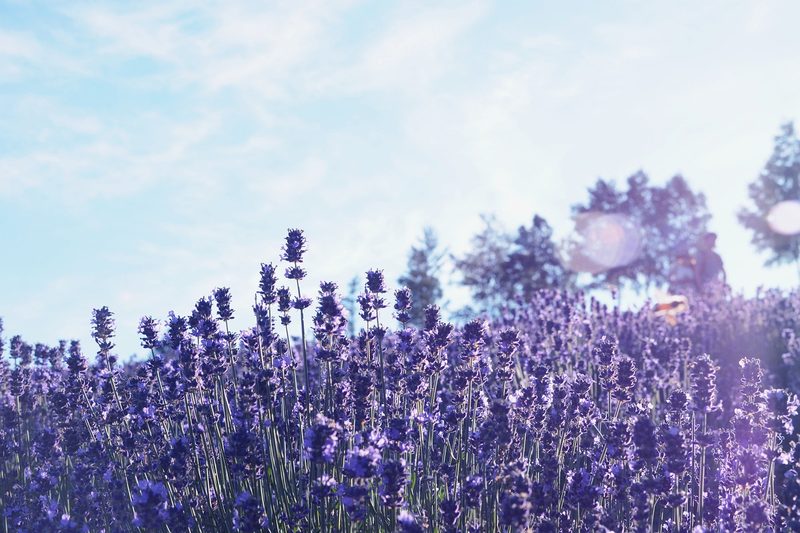
Furano sits right in the geographic center of Hokkaido, and honestly, it deserves way more attention than it gets from international travelers. Most people know it for lavender fields (fair enough, they’re stunning), but this town of about 22,000 people delivers year-round in ways that places like Niseko simply can’t match — especially on price.
I’ll be blunt: if you’re paying Niseko prices for skiing and thinking that’s just “what Hokkaido costs,” you haven’t been to Furano yet. The powder is comparable, the lift tickets are cheaper, the restaurants are better, and you won’t be fighting through crowds of Australians to get a table at dinner.
This guide covers everything you need to plan a trip to Furano in any season — what’s actually worth your time, what to skip, where to eat, and the practical stuff nobody tells you until you’re already there.
Best Time to Visit Furano
Every season works here, but they deliver completely different experiences.
Summer (June – August)
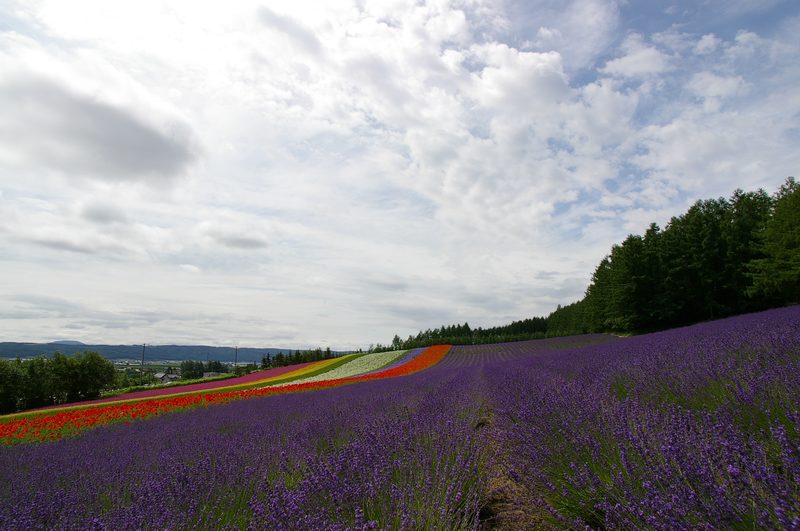
This is peak season, and for good reason. The lavender fields hit their stride from late June through early August, and the entire Kamikawa basin turns into this ridiculous patchwork of purple, orange, and red. Temperatures hover around 20-25C, which feels like a miracle if you’re escaping Tokyo’s summer humidity.
The downside? Accommodation books up fast and tour buses clog the roads around Farm Tomita. If you want the full lavender experience, I’ve written a dedicated Furano lavender guide with timing and crowd-avoidance strategies.
Autumn (September – November)
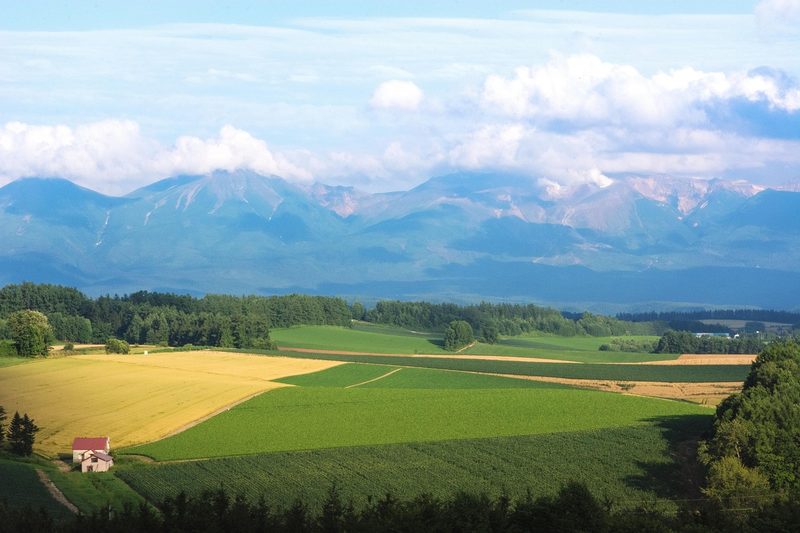
Underrated. The Tokachi mountain range lights up with fall foliage in late September, accommodation prices drop significantly, and the wine festival happens. You’ll share the hiking trails with almost nobody.
Winter (December – March)
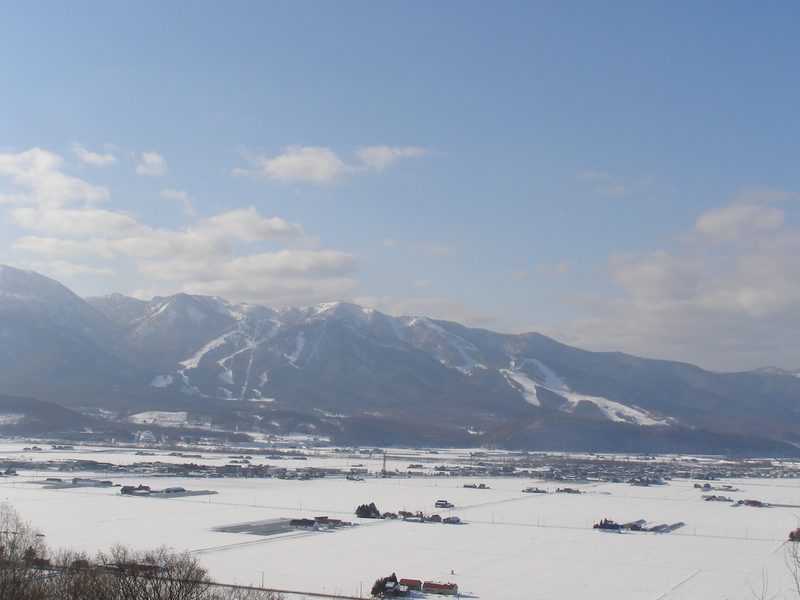
This is when Furano transforms into a proper ski town. Temperatures regularly hit -10 to -20C, so pack accordingly — this isn’t mild cold, this is “your nose hairs freeze instantly” cold. But the payoff is some of the best powder skiing in Japan.
Spring (April – May)
The cheapest time to visit. Cherry blossoms arrive in May (later than the rest of Japan), the snow melts into rushing streams, and you’ll have the town almost to yourself. Not the most dramatic season, but if you’re on a budget, spring in Furano is genuinely pleasant.
Getting to Furano
Furano doesn’t have its own airport, so you’re routing through either Sapporo or Asahikawa. For a full breakdown of transport options and rental car advice, check my getting around Furano guide.
From Sapporo
By train, it’s about 2 hours with one transfer at Takikawa on the JR Nemuro Main Line. Not the most scenic rail journey in Hokkaido, but straightforward. By car, figure 2.5 hours on the Doto Expressway — longer in winter when roads get sketchy.
From Asahikawa
This is the easier connection. The JR Furano Line runs direct trains that take 73 minutes and cost 1,290 yen. Simple.
Should You Rent a Car?
In summer, absolutely. A car opens up Biei, the hill towns, and all the scattered attractions that are annoying to reach by bus. You can hit Farm Tomita, the cheese factory, and the winery in one efficient loop.
In winter, think carefully. If you’ve never driven on packed snow and ice, Furano’s roads will humble you quickly. The locals drive with studded tires and years of experience. Tourists in rental cars end up in ditches every single winter. If you’re not confident in snow driving, stick to trains and the resort shuttles.
Getting Around Town
During summer, the Lavender Bus runs a sightseeing loop that hits the major attractions. It’s fine for the big-ticket spots.
Cycling is excellent from June through September. Bike rentals near Furano Station start from 1,500 yen per day, and the relatively flat terrain between attractions makes this genuinely enjoyable rather than just a novelty.
Top Things to Do in Furano
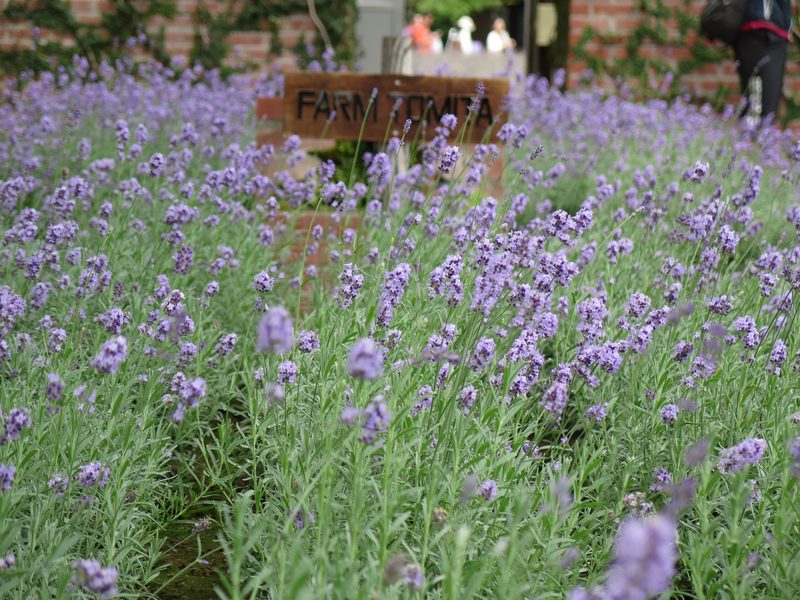
Farm Tomita
Let’s start with the obvious one. Farm Tomita is the single most photographed spot in Furano, and it earns that reputation. The farm grows lavender across multiple fields, but also poppies, marigolds, salvia, and other flowers that create those layered rainbow fields you’ve seen in every Hokkaido tourism ad.
Entry is free, which is a pleasant surprise. The lavender soft serve ice cream costs 400 yen and is actually good — not just a gimmick. They also sell lavender essential oil, dried flower sachets, and every purple-themed souvenir you can imagine.
Peak bloom runs late June to early August, but the exact timing shifts each year depending on temperatures. The farm’s official website posts bloom updates.
Practical warning: the parking lot turns into a disaster zone by 10am in peak season. Get there by 8am or wait until after 4pm. Midday visits mean tour bus crowds and shuffling through fields shoulder-to-shoulder.
Furano Ski Resort
28 trails served by 9 lifts and gondolas, with an annual snowfall around 8 meters of powder. The terrain splits 40% beginner, 40% intermediate, and 20% expert — so it works for most skill levels.
Day lift tickets run about 8,000 yen, which is noticeably cheaper than Niseko’s 9,500+ yen tickets. The snow quality is virtually identical (both get that famous Hokkaido dry powder), but Furano’s slopes are less crowded. On a weekday in January, you might get fresh tracks until mid-morning.
The resort connects to Kitanomine Zone and Furano Zone, giving you decent variety. Expert skiers should head for the ungroomed areas off the gondola summit — steep, deep, and usually tracked out less than you’d expect.
Check current conditions and pricing at the Furano Ski Resort website. For more winter activities beyond skiing, see my Furano outdoor activities guide.
Furano Cheese Factory
Free to visit, and more interesting than you’d expect from a “cheese factory tour.” Hokkaido produces the majority of Japan’s dairy, and Furano’s cheese factory lets you watch the production process through viewing windows.
The real draw is the workshops. For 1,200 yen, you can do a 40-minute cheese-making or butter-making session. The ice cream workshop is popular with families. Try the camembert in the tasting room — it’s excellent. They also make a squid ink black cheese that’s more novelty than culinary achievement, but worth a taste for the story.
Ningle Terrace
This is one of those places that sounds corny on paper but actually works. A dozen small wooden cabins sit connected by boardwalks through a birch forest, each housing a different artisan — leatherwork, candles, blown glass, handmade jewelry. It’s located just below the New Furano Prince Hotel.
The setting does the heavy lifting here. Evening visits are best, when the cabins are lit up and the forest takes on a fairy-tale quality. Stop at Chuchu no Ie coffee house for a warm drink if the weather’s cold.
Fun fact: this whole complex was inspired by Soh Kuramoto, the writer behind the famous TV drama “Kita no Kuni kara” (From the North Country), which was set and filmed in Furano. If that interests you, I’ve mapped out the Kita no Kuni kara filming locations you can still visit.
Blue Pond (Biei)
Technically in neighboring Biei, about 30 minutes north of Furano, but everyone visits it as a day trip. The pond’s surreal turquoise color comes from colloidal aluminum hydroxide particles in the water, which scatter light in a way that looks almost artificial. Dead larch trees stand in the water, adding to the otherworldly feel.
Apple used a photo of Blue Pond as a default MacOS wallpaper, which turned it from a local secret into one of Hokkaido’s most visited spots. It’s beautiful, but manage your expectations — on overcast days the color is muted, and the viewing platform gets packed by midday in summer.
Winter visits are different but worthwhile. The pond partially freezes and they set up LED illumination in the evenings. Striking in a completely different way.
Furano Winery
Furano has been making wine for over 50 years, which surprises people who don’t associate Hokkaido with winemaking. The winery offers free tastings, and the hilltop location gives panoramic views over the valley.
The wines are… fine. Let’s be honest, Furano isn’t Burgundy. But the grape juice is outstanding, the setting is lovely, and the on-site restaurant serves solid food with wine pairings. Worth an hour of your time, especially since it’s free.
Furano Jam Garden
Operating since the 1970s, this place makes over 35 types of jam using Hokkaido fruits. The tiny shop is fun to browse — they have unusual flavors like haskap berry and mountain grape that you won’t find elsewhere. Good for picking up edible souvenirs.
There’s an Anpanman shop nearby that kids will lose their minds over, if you’re traveling with small humans.
Glass Forest (Furano Glass)
Glassblowing workshops where you can make your own piece. The art installations throughout the building are genuinely impressive. Budget about 90 minutes if you’re doing a workshop, 30 minutes if you’re just browsing.
Winter-Only Activities
Ice Fishing on Lake Kanayama
This was a highlight I didn’t expect. You drive out to frozen Lake Kanayama (about 30 minutes south of Furano), drill a hole through the ice, and fish for wakasagi smelt from inside a heated tent. When you catch them, the operators fry them into tempura right there on-site.
It’s less about the fishing skill (it’s fairly easy) and more about the experience of sitting on a frozen lake surrounded by mountains, eating fish you caught five minutes ago. Tours run roughly December through March.
You can book ice fishing experiences through Klook or Viator.
Dog Sledding
Several operators run husky dog sled tours through the snowy countryside. It’s touristy, sure, but the dogs are clearly well cared for and genuinely love running. Most tours last 15-30 minutes and cost 5,000-8,000 yen.
Hot Air Balloon Rides
Tethered balloon rides offer views of the Tokachi mountain range. These typically run early morning when winds are calmest. Not cheap, but the panorama of snow-covered mountains and farmland is memorable.
Hiking Around Furano
Two main options depending on your fitness level and ambition.
Torinuma Park — family-friendly, flat trails through wetlands. Good for birdwatching, easy enough for small kids. A pleasant morning walk rather than a serious hike.
Furano-dake Loop — this is the real deal. A challenging alpine hike that takes you above the treeline with views across the Tokachi range. You’ll need proper boots, water, and an early start. Not recommended for beginners or in bad weather. The trailhead is accessible from the Tokachi-dake Onsen area.
Where to Eat in Furano
Furano’s food scene is better than a town this size has any right to be. Hokkaido dairy, local produce, and a surprising number of talented chefs make eating here a genuine pleasure.
Witch’s Spoon
Japanese curry with personality. The chicken leg curry soup runs 1,880 yen and arrives in a cast iron pot with a whole chicken leg poking out. Rich, warming, and absolutely what you want after a day on the slopes.
Critical info: Cash only. Closed Wednesday evenings. The place is small and popular, so showing up right at opening gives you the best shot at avoiding a wait.
Curry & Bar Jam
Another curry spot (Furano really does curry well). The tender chicken curry at 1,280 yen is excellent value, and the spicy chicken version at 1,180 yen has actual heat to it — rare in Japan where “spicy” often means “mildly warm.”
They take cards, but not Amex. Of course.
Mori no Tokei (Forest Clock Cafe)
Tucked beneath Ningle Terrace, this cafe lets you hand-grind your own coffee beans before they brew your cup. The setting, in a log cabin surrounded by forest, is half the appeal. Expect to pay around 800 yen for a coffee. Not cheap, but you’re paying for the atmosphere as much as the caffeine.
Soh’s Bar
A proper cocktail bar with a fireplace. After a day of skiing, settling into a leather chair here with something strong feels earned. Good for apres-ski or a nightcap. Prices are reasonable by resort town standards.
Bar & Dining Ajito
Cheese fondue and omelette curry in a cozy space. The fondue uses local Furano cheese and is rich enough to split between two people. Solid for a relaxed dinner.
Rojo & Ronin Coffee
Locally roasted coffee with Hokkaido milk. If you care about your morning coffee, this is where to go. Mountain views from the seating area. A cafe latte runs about 500 yen.
Goma Soba Tsuruki (Biei)
If you’re heading to Biei for Blue Pond, stop here for tempura and handmade soba. The sesame dipping sauce is their signature. Worth building into your Biei day trip.
General Dining Tips
Many restaurants in Furano require reservations, especially in winter. I’m not exaggerating — book at least two weeks out for popular spots during ski season. Cash is still king at many places, so carry at least 10,000 yen on you at all times. Ramen runs about 1,200 yen at most shops around town.
Where to Stay in Furano
I’ve put together a detailed where to stay in Furano guide, but here’s the quick version.
Mid-Range: La Vista Furano Hills
Best views in town from the 9th floor. Private baths in some rooms. Runs about 18,000 yen per night in peak winter season. The breakfast buffet with Hokkaido dairy products is worth waking up for.
Resort: Shin Furano Prince Hotel
The full-service option with ski-in/ski-out access, multiple restaurants, and proximity to Ningle Terrace. You pay a premium, but the convenience during ski season is hard to beat.
Luxury: Fenix Furano
Apartment-style luxury with ski-in/ski-out access. Great for families or groups who want a kitchen and living space. One of the newer properties in town.
Budget
Several hostels and guesthouses run around 6,000-7,000 yen per night in winter, cheaper in spring and fall. Basic but functional, and you’ll meet other travelers.
Booking Advice
Winter accommodation books up months in advance. If you’re planning a December-February trip, start looking by September at the latest. Summer (especially July for lavender season) also fills up, but you have more options and slightly more lead time.
Furano is significantly more affordable than Niseko across the board. A winter trip that would cost 250,000 yen in Niseko might run 150,000 yen in Furano for comparable quality.
Furano’s Festivals
Hokkai Heso Matsuri (Belly Button Festival)
This is genuinely one of the weirdest festivals in Japan, and I mean that as a compliment. Because Furano sits at the geographic center (“belly button”) of Hokkaido, the town celebrates with a summer festival where participants paint faces on their stomachs and dance through the streets.
It’s absurd, joyful, and unlike anything else you’ll see in Japan. Usually held in late July. I’ve written more about it in my Furano Belly Button Festival guide.
Furano Wine Festival
An autumn celebration of the local wine industry. Tastings, food stalls, live music. More low-key than the Belly Button Festival but a nice excuse to visit in September-October.
Furano Ski Festival
Winter festival with fireworks, snow sculptures, and events on the slopes. A good atmosphere-booster if you’re already there for skiing.
Tokachi-dake Autumn Foliage Festival
Celebrating the fall colors on the Tokachi mountain range. Late September into October, depending on the year. Combines well with hiking if the weather cooperates.
Furano vs. Niseko: The Honest Comparison
People always ask this, so here’s the short version.
Niseko wins on: total ski terrain, English-friendliness, nightlife variety, international dining options.
Furano wins on: price (significantly cheaper), authenticity (it feels like a Japanese town, not a resort), powder quality (comparable but less tracked), food quality per yen spent, summer activities, and not making you feel like you accidentally flew to Australia.
If you want a polished, English-speaking ski resort experience and money isn’t a concern, Niseko is fine. If you want better value, more character, and a more genuinely Japanese experience, Furano is the move.
Budget Breakdown
Here’s what a realistic daily budget looks like in Furano:
- Budget (backpacker): 8,000-12,000 yen/day — hostel, convenience store meals, free attractions
- Mid-range: 20,000-30,000 yen/day — decent hotel, restaurant meals, a few paid activities
- Comfort: 40,000-60,000 yen/day — nice hotel, good restaurants, ski pass, guided tours
These don’t include transport to Furano or shopping, but cover accommodation, food, and activities.
Practical Tips That’ll Save You Hassle
- Cash: Carry it. Many restaurants and smaller attractions are cash only. The 7-Eleven ATMs near the station accept international cards.
- Reservations: Book restaurants 2 weeks ahead in winter. Not optional for popular spots.
- Layering: Winter temperatures drop to -20C. Bring proper thermal base layers, not just a heavy coat over a t-shirt.
- Shoes: In winter, bring boots with actual grip. The streets and paths get icy and Japanese sidewalks aren’t always salted.
- JR Pass: If you’re doing a broader Hokkaido trip, the JR Hokkaido Pass covers trains to Furano and saves money over individual tickets.
- Language: English is limited outside hotels. Google Translate’s camera function works well for menus. Learn basic Japanese pleasantries — it goes a long way.
- Convenience stores: Seicomart (Hokkaido’s own chain) has better local food than 7-Eleven or Lawson. Their hot food counter is legitimately good for cheap meals.
For the latest information on events, seasonal updates, and local transport schedules, check the Furano Tourism Association website.